Narcan training and overdose prevention in Baltimore
Overdose prevention and community education.
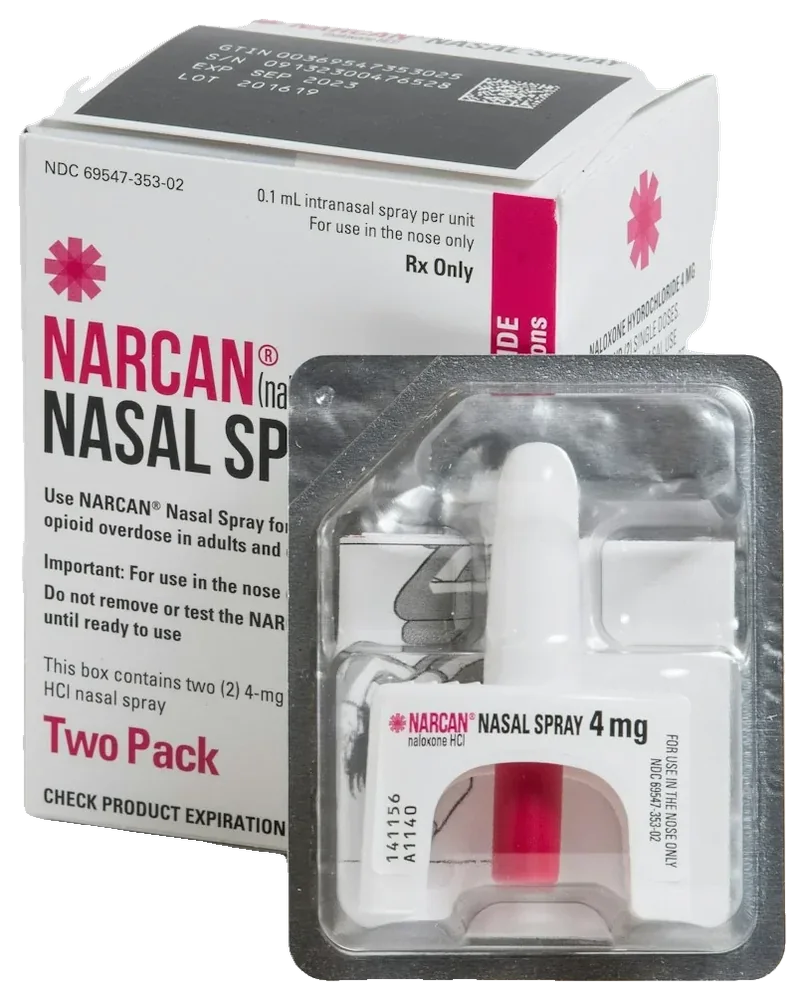
Haven is a Maryland Overdose Response Program. We give individuals, families and community members the education and resources to recognize, prevent and respond to an opioid overdose.
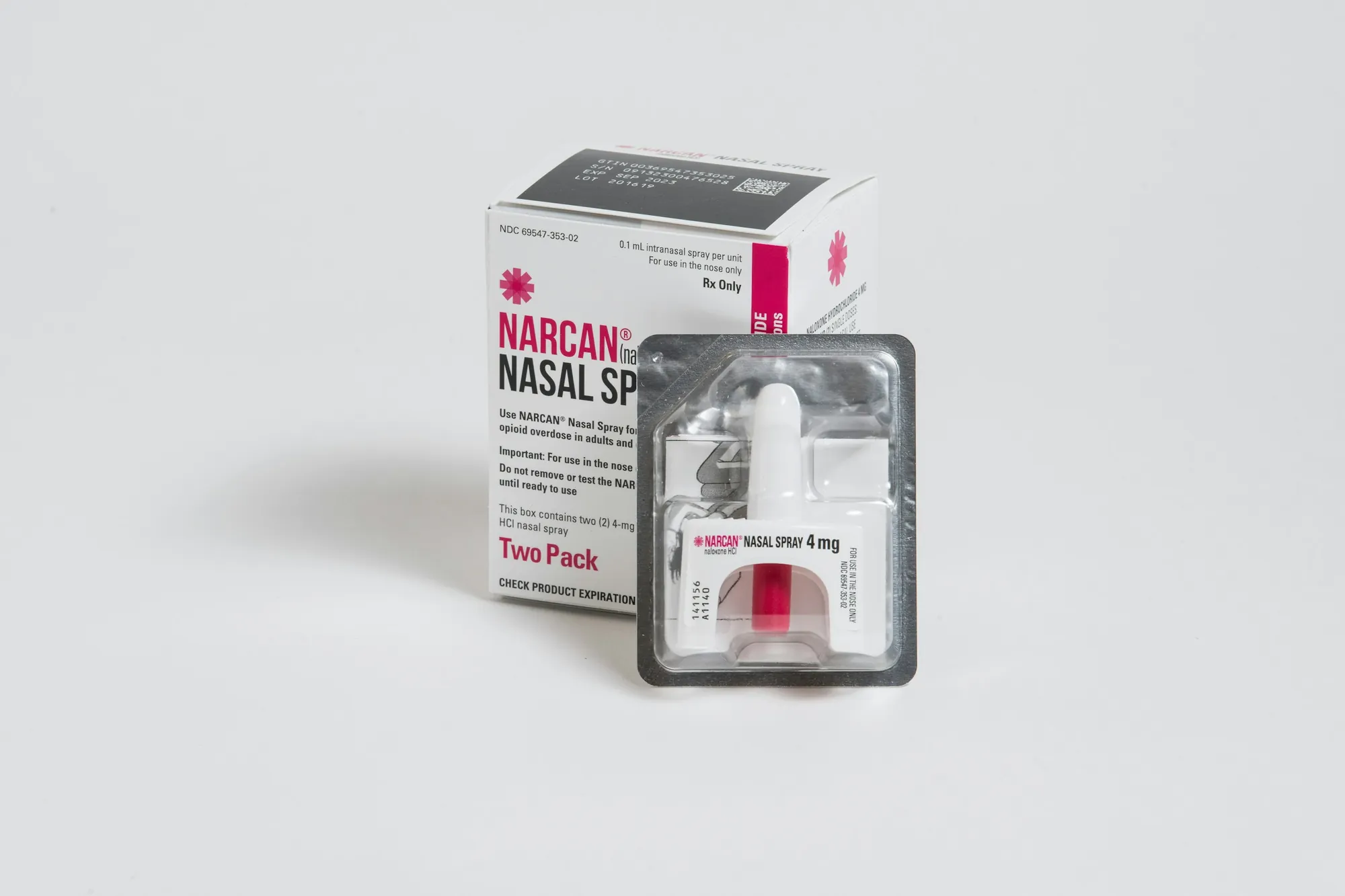
- Naloxone (Narcan) education and distribution
- Overdose response training
- Drug-checking supplies, when available
- Family and community education
- Connections to treatment
If someone is overdosing right now
Call 911, then give naloxone.
An opioid overdose slows breathing until it stops. You don't have to be sure it's an overdose to act. Naloxone will not hurt someone who hasn't taken opioids.
Signs of an overdose
- Won't wake up or respond to your voice or touch
- Slow, shallow or stopped breathing
- Blue or gray lips and fingertips
- Very small, pinpoint pupils
- Gurgling or snoring sounds
Call 911
Say someone is not breathing or is unresponsive, and give your location.
Give naloxone
Spray it into one nostril. If there is no response after 2 to 3 minutes, give a second dose in the other nostril.
Support breathing
Give rescue breaths if you have been trained to. Oxygen is what the person needs most.
Stay with them
Lay them on their side in the recovery position and stay until help arrives. Naloxone can wear off before the opioid does.
Don't let fear stop you from calling. Maryland's Good Samaritan Law gives certain legal protections to people who call 911 to help someone who is overdosing. What the law covers
What the program offers.
We are committed to preventing overdose deaths through education, harm reduction and access to lifesaving resources. You don't have to be a Haven patient to ask for any of this.
- Naloxone (Narcan) education and distribution
- We teach you how to recognize an opioid overdose and how to give naloxone, and we distribute it as available through our program.
- Overdose recognition and response training
- Hands-on practice in spotting the warning signs, calling emergency services, giving rescue breaths, giving naloxone and repeating the dose if needed, and caring for the person until EMS arrives and afterward.
- Harm reduction education
- Clear information about overdose risks, fentanyl contamination and polysubstance use, with practical ways to lower the danger.
- Drug-checking resources
- Education on and access to fentanyl, xylazine, medetomidine and other drug-checking supplies when available. We show you how to use them and explain what a test strip can and can't tell you. How test strips work
- Community and family education
- Overdose prevention education for individuals, families and community organizations.
- Connections to treatment
- Help reaching addiction treatment, recovery resources and the right level of care, whenever you want it. Addiction medicine at Haven
Our mission is to empower our community with the knowledge, tools and support needed to prevent overdoses, save lives and connect individuals with compassionate, judgment-free care.
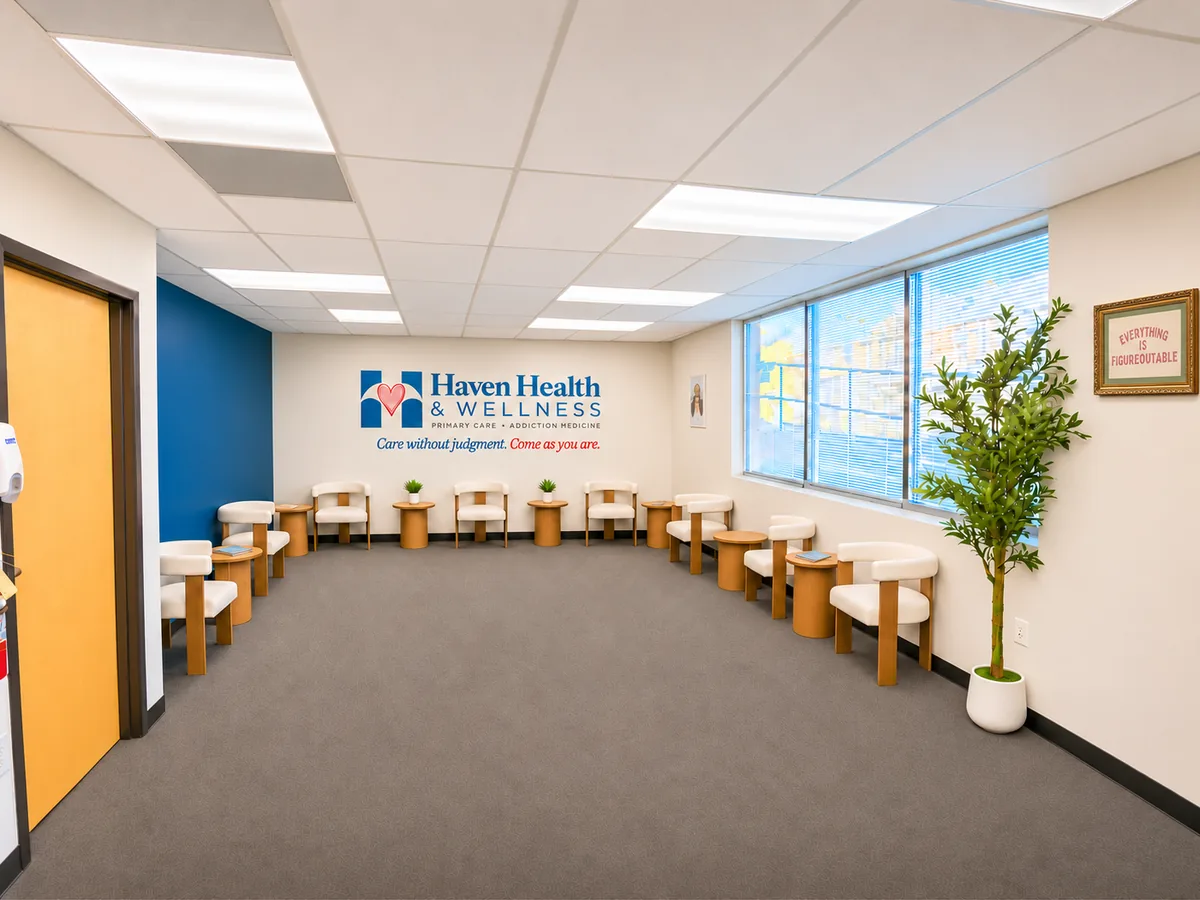
Bring a training to your family or your group.
Most overdoses happen with someone else nearby. The more people in a household, a congregation or a workplace who know what to do, the better the odds.
We support individuals, families and community organizations with overdose prevention education. Tell us who you'd like to train and we'll work out the details with you.
- Families and loved ones of someone who uses opioids
- Recovery houses and treatment programs
- Faith communities, neighborhood groups and nonprofits
- Anyone who wants to be ready
Questions people ask us.
If yours isn't here, call (410) 469-9191. Nobody will ask why you want to know.
What is an Overdose Response Program?
It is a program authorized by the state of Maryland to teach people how to respond to an opioid overdose and to provide naloxone. Haven is one of them.
Do I have to be a patient to get Narcan or training?
No. The program is for individuals, families and community members. Call us and we'll tell you what we have on hand.
Can naloxone hurt someone?
Naloxone only works on opioids. If the person hasn't taken any, it does nothing. In someone who is dependent on opioids it can bring on sudden withdrawal, which feels awful but is far safer than not breathing.
Does naloxone work on fentanyl and xylazine?
It works on fentanyl, though more than one dose is sometimes needed. Xylazine and medetomidine are sedatives, so naloxone doesn't reverse them. Give it anyway, because they are almost always mixed with an opioid, and keep supporting the person's breathing until help arrives.
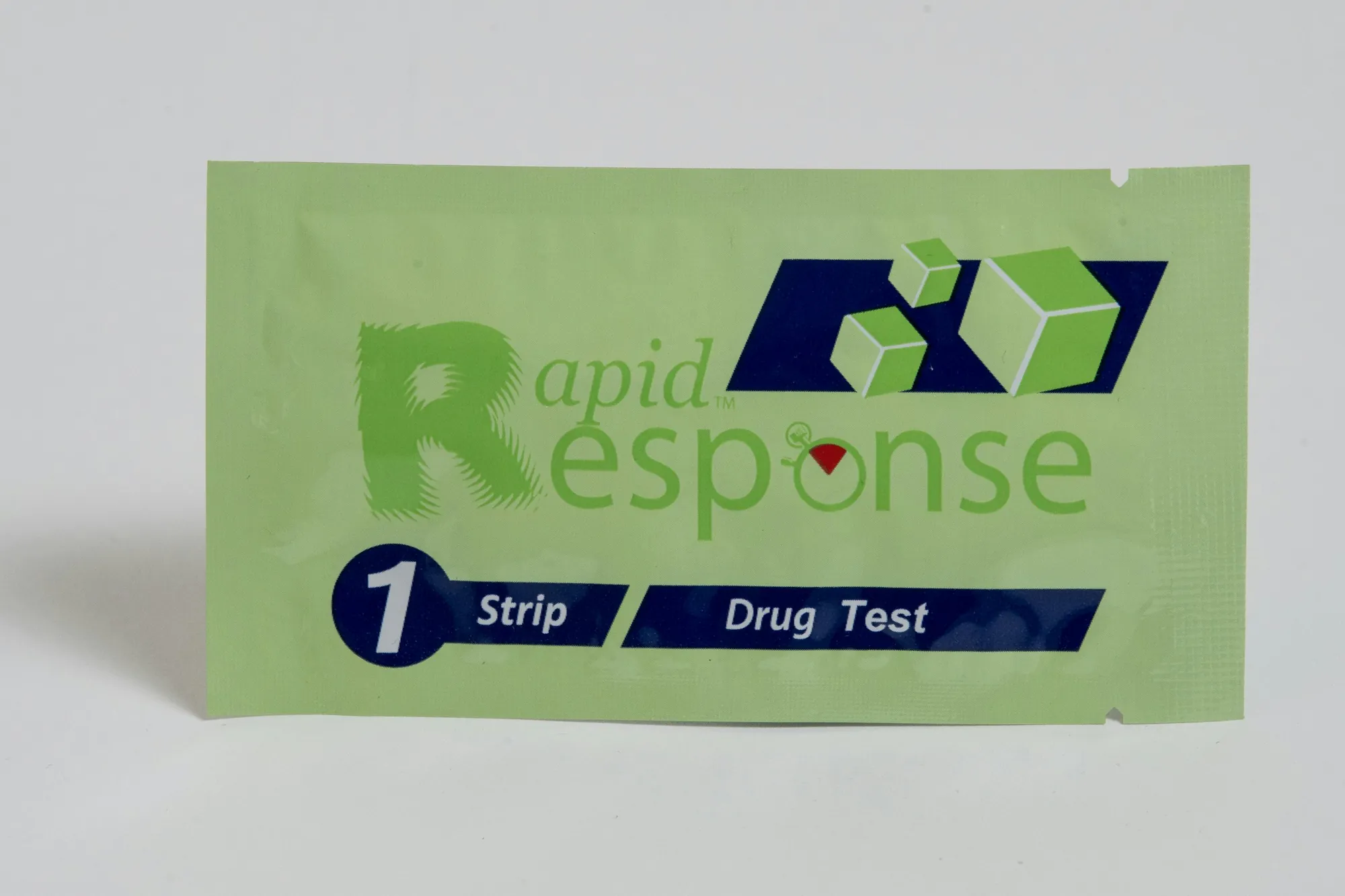
If a test strip is negative, is the drug safe?
No. A strip only tests the small sample you put on it, and it only looks for one substance. A negative result lowers the odds, and that's all it does. We'll show you how to get the most reliable reading and what else to do to stay safer.
Why does the person need 911 if the naloxone worked?
Naloxone can wear off in 30 to 90 minutes, and many opioids last longer than that. The person can stop breathing again, so they need to be watched and checked by medical professionals.
Will you push me into treatment?
No. If you want help getting into treatment, we'll help you make that connection. If you only want naloxone or test strips, that's a good enough reason to come by.
Where this comes from
- National Institute on Drug Abuse, Naloxone DrugFacts
- Substance Abuse and Mental Health Services Administration, Overdose prevention and response toolkit
- Centers for Disease Control and Prevention, Xylazine
- Maryland's Office of Overdose Response, Maryland's Good Samaritan Law
- Maryland Department of Health, Naloxone and Overdose Response Programs
The door is open.
Book your first visit online, or call and a real person from our team will set it up with you. You can tell us as much or as little as you want.