Wound care in Southwest Baltimore

Wound care that fits your life.

Wounds that are slow to heal, painful or showing signs of infection need attention. We assess, treat and keep following up, and we treat everyone with the same dignity no matter how a wound happened.

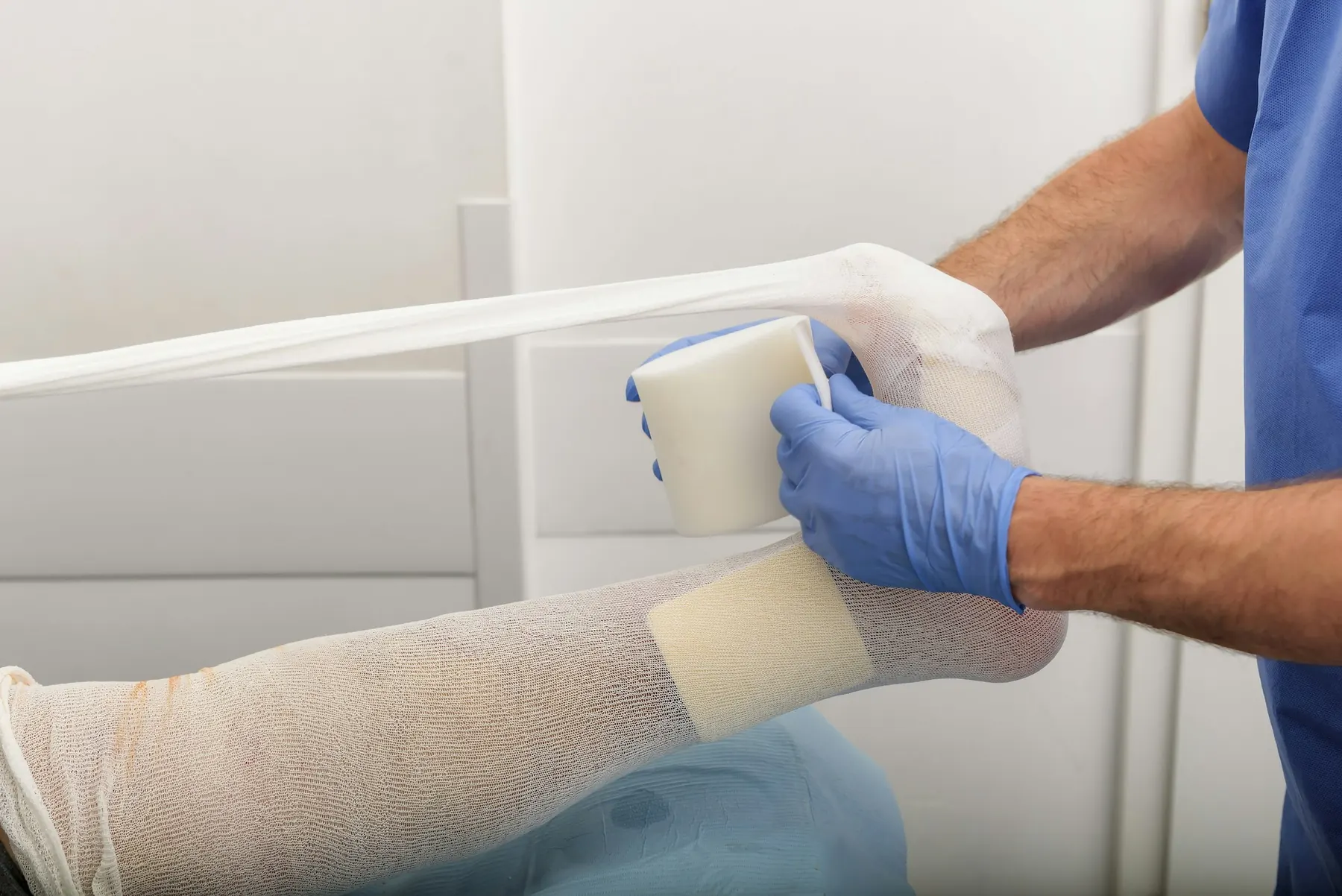
  • Dressing changes as often as needed
  • Supplies through insurance
  • Infection treatment
  • Follow-up until healed
  • No judgment

How we help.

Healing takes repeat visits and the right supplies. We try to make both as easy as possible.

  • Dressing changes as often as needed
  • Advanced dressings and supplies coordinated through your insurance
  • Supplies delivered to your door, depending on your coverage
  • Follow-up until you're healed

Wounds of all kinds.

Cuts and minor injuries

Cleaning, closure when appropriate, and care instructions for scrapes, cuts and minor burns.

Skin infections and abscesses

Evaluation and treatment of infected skin, including abscesses and cellulitis.

Injection-related wounds

Confidential, judgment-free care for wounds related to injection drug use, including xylazine-related wounds. What is xylazine?

Slow-healing wounds

Ongoing care for wounds that won't close, including those related to diabetes or poor circulation.

Pressure sores

Treatment and prevention for pressure injuries and skin breakdown.

After surgery or a hospital stay

Wound checks, dressing changes, and suture or staple removal. After-hospital care

Wound care in Southwest Baltimore: office visit or emergency room?

Many wounds can be cared for in a primary care office. Some need an emergency room right away. This general guide can help you decide. When you're unsure, call us at (410) 469-9191. If it feels like an emergency, treat it like one.

Call us or come in

Usually right for an office visit

  • A cut or scrape that has stopped bleeding but needs cleaning or a closer look
  • A large or deep cut that may need stitches. Call right away
  • Warmth, redness, swelling, throbbing pain or pus
  • A bite from an animal or a person
  • A puncture from a nail or a rusty object
  • Any wound if your last tetanus shot was more than 10 years ago
  • A sore that isn't healing, especially on your foot if you have diabetes

Don't wait for an appointment

Go to the emergency room or call 911

  • Bleeding that is heavy or doesn't stop after about 10 minutes of firm pressure
  • You can't feel the injured area, or it isn't working the way it should
  • Something is stuck in the wound. Leave it in place
  • Redness that spreads quickly, or a red streak, with fever or chills
  • Other serious injuries, or you feel very unwell

If our office is closed and the wound can't wait, go to an urgent care center or an emergency room instead of waiting for us to reopen.

Don't wait on these signs.

Call us if a wound shows any of them.

Go to the emergency room or call 911 if you have a fever with spreading redness, severe pain, or you feel very unwell.

Redness or warmth that spreads
Especially if the area keeps growing.
Swelling, pus or a bad odor
These can be signs of infection.
Pain that gets worse
A healing wound should feel better over time.
No improvement in two weeks
Slow healing often has a cause we can address.

How do I care for a wound at home between visits?

Follow the instructions your provider gave you first, because they are specific to your wound. These general steps apply to most minor wounds.

Wash your hands first
Use soap and water before you touch the wound or the dressing.
Clean it gently
Wash a minor cut with mild soap and water. Rinse a puncture under running water for about five minutes, then wash it.
Stop the bleeding
Press firmly on the wound with a clean cloth or bandage.
Cover it
Use a clean bandage that won't stick to the wound, and change it the way you were shown.
Raise a swollen arm or leg
With a skin infection, keeping the limb raised can help bring the swelling down.
If you have diabetes
Check your feet every day, including between your toes. Diabetes can lower blood flow and dull feeling in the feet, so a small sore can go unnoticed and heal slowly. A cut, blister or bruise that hasn't started to heal after a few days needs to be seen.
If you spend most of the day in a bed or chair
Pressure sores form where bone sits close to the skin. Changing position about every two hours, keeping skin clean and dry, and using pillows or cushions to take off pressure all help prevent them.
Injection-related wounds
Wounds linked to xylazine can get infected and get worse quickly. Basic wound care started early helps, so come in sooner instead of later.

Common questions.

Will I be judged for how I got the wound?

No. We care about getting it healed. You can tell us exactly what happened, and it helps us treat it properly.

How do I get dressings and supplies?

We help coordinate advanced dressings and supplies through your insurance. Depending on your coverage, they may be delivered to your door.

How often will I need to come in?

As often as the wound needs. Some need a dressing change several times a week at first and less often as they close.

What if my wound needs a specialist?

We'll refer you and help coordinate the visit, and keep seeing you in between.

The door is open.

Book your first visit online, or call and a real person from our team will set it up with you. You can tell us as much or as little as you want.

Book a visit (410) 469-9191