
What is xylazine, and why do tranq wounds need care?
Xylazine is an animal sedative that now turns up in much of the street fentanyl supply. It changes what an overdose looks like and it causes wounds that don't heal on their own.
Xylazine is a sedative made for animals. It was never approved for people, according to the FDA. Over the last several years it has been mixed into street fentanyl across the Mid-Atlantic, including Baltimore, usually without the person buying it knowing. You may hear it called tranq, or tranq dope when it is mixed with an opioid.
It matters for two reasons. It makes overdoses harder to manage, and it causes skin wounds that need real wound care.
What does xylazine do to the body?
Xylazine slows things down. It causes deep sleepiness, a slow heart rate and low blood pressure, and the sedation can last for hours. The National Institute on Drug Abuse says it can slow breathing, heart rate and blood pressure to dangerously low levels. Someone can be so heavily sedated that they stay in one position long enough to hurt a limb or lose circulation to the skin.
Xylazine is not an opioid. That one fact explains most of what makes it dangerous.
Does Narcan work on xylazine?
No. Naloxone (Narcan) reverses opioids, and xylazine is a different kind of drug. The CDC says naloxone will not reverse xylazine but should still be given. So give naloxone if someone is unresponsive, because xylazine is almost always found together with fentanyl, and the fentanyl is what stops the breathing.
What changes is what you look for afterward. After naloxone, a person who also took xylazine may start breathing again but stay asleep. Breathing is the goal. If they are breathing steadily, you don't need to keep giving doses to wake them up. Call 911, put them on their side, and stay with them. If they are not breathing, give rescue breaths.
The full steps are in what to do if someone is overdosing.
Why does it cause wounds?
Why xylazine causes wounds is still being studied. Xylazine seems to narrow blood vessels and cut the blood supply to the skin, so tissue gets damaged and small injuries stop healing. The wounds have a few features that set them apart:
- They can appear anywhere, including places where nothing was injected. Arms and legs are the most common.
- They often start as small dark or purple spots, blisters or scabs, and then open up.
- They can grow, deepen and develop dead, dark tissue in the middle.
- They can show up in people who smoke or snort, as well as people who inject, according to the National Institute on Drug Abuse.
How are tranq wounds treated?
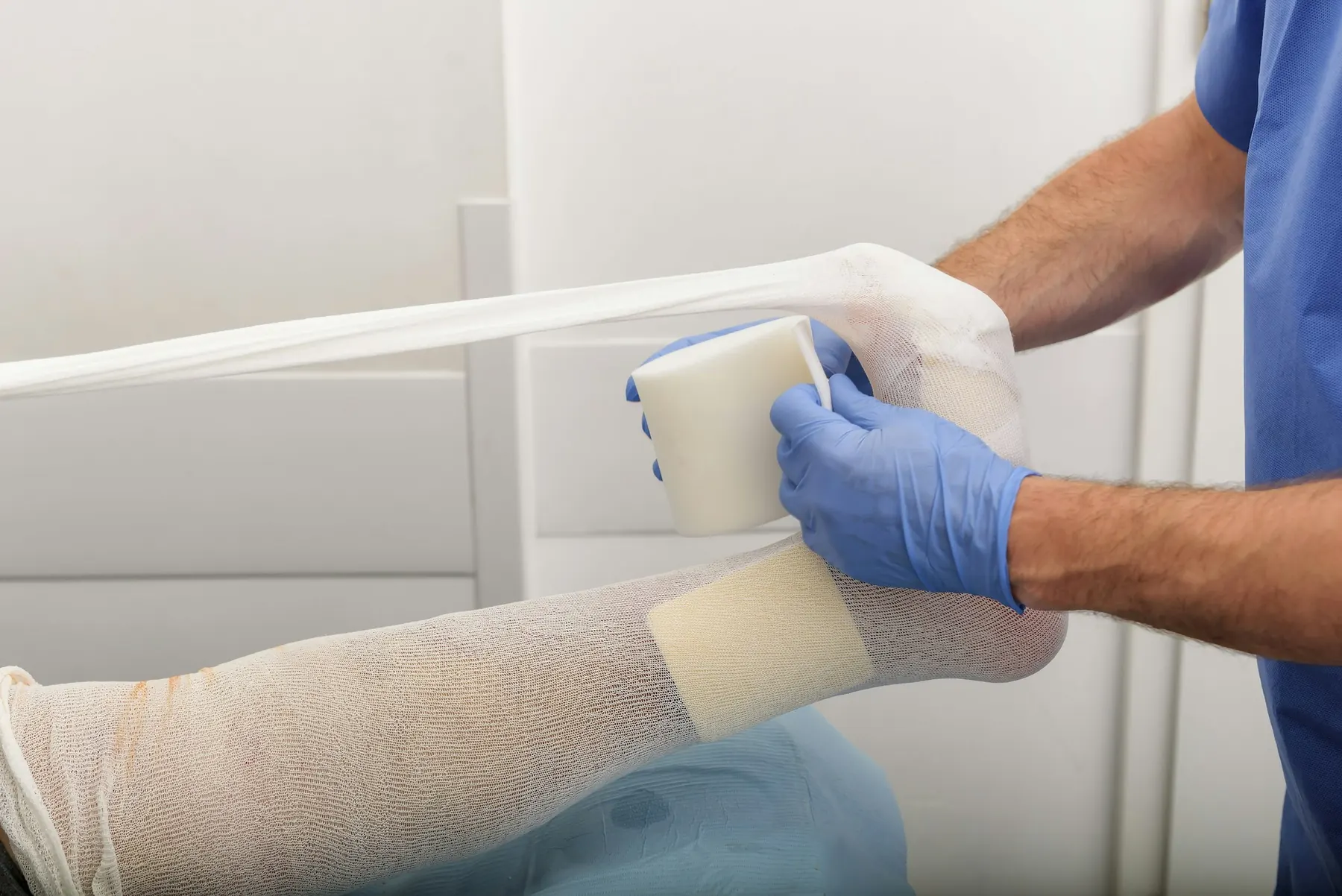
Tranq wounds do heal, but slowly, and they need steady care. Treatment usually means keeping the wound clean and moist, covering it with the right kind of dressing, and changing that dressing on a regular schedule. A clinician will also check for infection and for dead tissue that needs to come off so healthy tissue can grow.
A few things help at home between visits:
- Wash gently with soap and clean water or saline. Skip alcohol and hydrogen peroxide, which damage healing tissue.
- Keep it covered with a non-stick dressing. A wound that dries out and scabs over heals more slowly.
- Avoid injecting into or near a wound.
- Eat, drink water, and keep the wound from being pressed on for long stretches.
Get seen right away if you have a fever or chills, redness that is spreading, a wound that smells bad or drains pus, severe pain, skin turning black, or you can see bone or tendon. Those are signs of a serious infection.
Will I be judged for coming in with a wound like this?
No. A tranq wound is a medical problem, and it deserves care like any other. Many people wait because they have been treated badly in an emergency room or a clinic before. Waiting is how small wounds turn into large ones. At Haven, wound care is part of ordinary medical care. We change dressings as often as the wound needs, help arrange supplies through your insurance, and follow you until it has healed. You do not have to stop using to have a wound treated.
Can I find out if xylazine is in what I have?
Yes. Xylazine test strips can detect xylazine in a small sample before you use. They are a useful tool with real limits, and a negative result does not mean a supply is safe. Our Overdose Response Program offers drug-checking supplies when we have them. See how fentanyl and xylazine test strips work.
Treatment with medication for opioid use disorder also lowers exposure to xylazine, because it reduces how often a person needs the street supply at all. If that is something you want to talk about, that conversation is always open.