
What do I do if someone is overdosing?
The signs to look for and the five things to do, in order, while you wait for help.
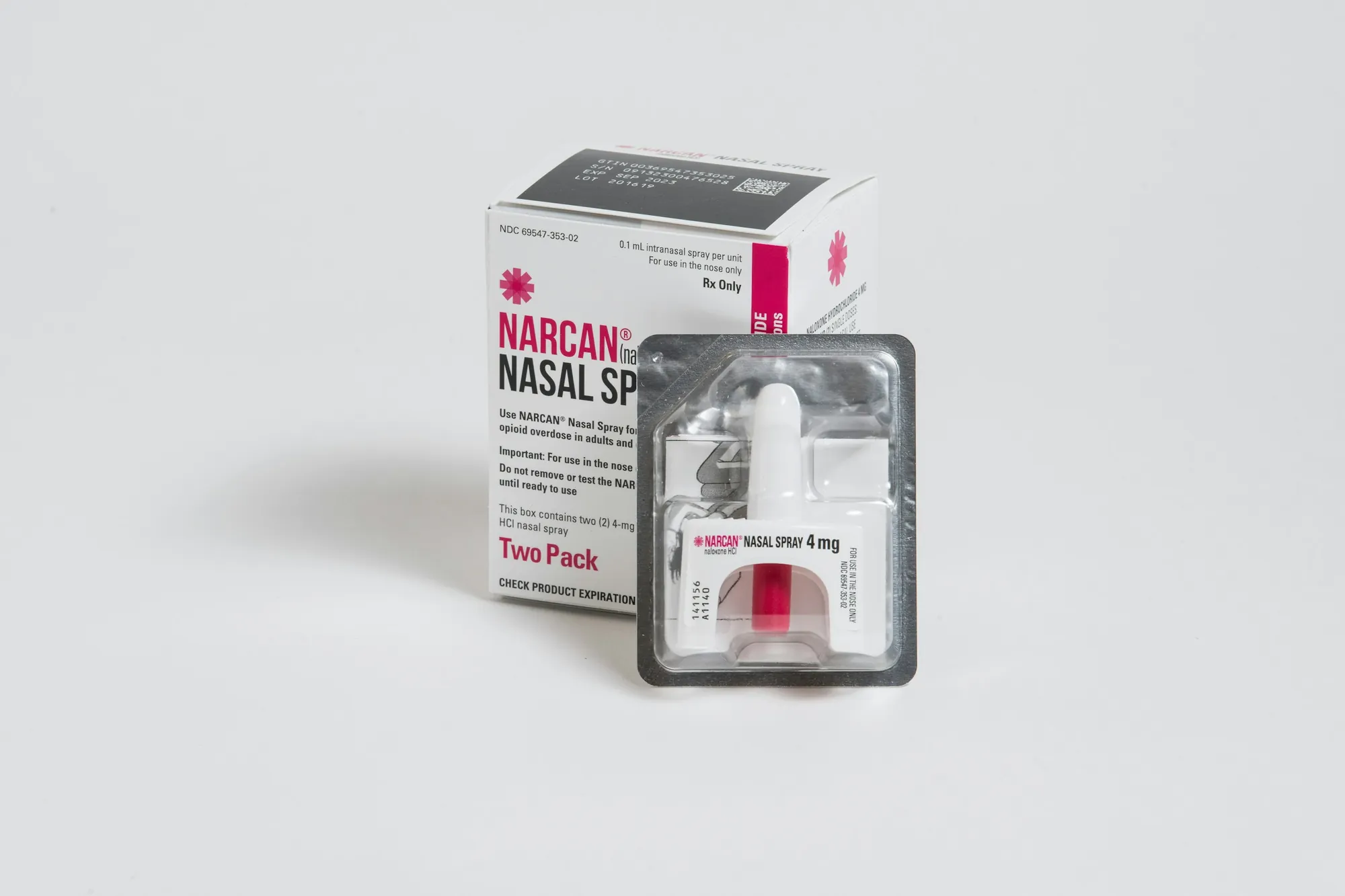
If someone will not wake up and is barely breathing, treat it as an overdose. Call 911, give naloxone if you have it, and help them breathe. You do not need to be sure what they took, and you do not need medical training. Doing something is far better than waiting to see if they come around.
How do I know it's an overdose?
The main signs of an opioid overdose are a person who won't wake up, breathing that is very slow or has stopped, and lips or fingertips turning blue or gray. Opioids such as fentanyl, heroin and pain pills slow breathing until it stops. Look for these signs:
- They won't wake up, even when you shout their name or rub your knuckles hard on their breastbone
- Breathing is very slow, shallow or has stopped
- Gurgling, choking or deep snoring sounds
- Lips and fingertips turning blue, gray or ashen
- Very small, pinpoint pupils
- Skin that feels cold or clammy
Someone who is very high can still answer you and breathe normally. Someone who is overdosing cannot. If you can't tell which it is, act as if it is an overdose.
What do I do, step by step?
If someone is overdosing, do these five things in order: call 911, give naloxone, help them breathe, give a second dose if you need to, and stay until help arrives.
- Call 911. Say that someone is not breathing or will not wake up, and give the address. Put the phone on speaker so your hands are free.
- Give naloxone. For the nasal spray, tilt their head back, put the nozzle all the way into one nostril and press the plunger once. The whole dose goes in one nostril. You don't need to test it first.
- Help them breathe. Lay them on their back, tilt the head back, lift the chin and pinch the nose. Give one slow breath every 5 seconds and watch for the chest to rise. If you have been trained in CPR and there is no pulse, start CPR.
- Give a second dose if you need to. If there is no response after 2 to 3 minutes, use a new spray in the other nostril. That wait comes from SAMHSA's overdose response toolkit. Keep breathing for them between doses.
- Stay until help arrives. If they start breathing on their own, or if you have to step away for any reason, roll them onto their side with the top knee bent so they can't choke. This is called the recovery position.
Naloxone can't hurt them. If opioids are not the problem, naloxone does nothing. According to the FDA, it will not harm someone who has no opioids in their system, and it can be given to people of all ages. When you're unsure, give it.
What if naloxone doesn't seem to work?
If naloxone doesn't seem to work, keep going. Fentanyl is strong, and it can take more than one dose. The drug supply also contains sedatives that naloxone does not reverse, including xylazine, which is sometimes called tranq. A person who took both may start breathing again after naloxone and still not wake up.
That is why breathing matters more than waking. Give naloxone anyway, because opioids are almost always part of the mix. Then watch the chest. If they are breathing steadily, put them in the recovery position and stay close. If they are not, keep giving rescue breaths until the ambulance arrives.
What should I avoid doing?
During an overdose, avoid anything that delays help or could hurt the person more:
- Don't leave them alone to sleep it off
- Don't put them in a cold shower or bath
- Don't try to make them vomit
- Don't give them anything to eat or drink
- Don't inject them with anything other than naloxone
What happens after they wake up?
After someone wakes up from an overdose, they still need to be watched. Naloxone wears off in roughly 30 to 90 minutes, according to the National Institute on Drug Abuse. Many opioids last longer than that, so a person can stop breathing again after it fades. Getting checked by the ambulance crew or at the hospital is the safest choice.
They may wake up confused, sick or upset, because naloxone can bring on sudden withdrawal. Stay calm, tell them what happened and that help is on the way. Using more right now is dangerous. It won't ease the withdrawal while the naloxone is active, and it raises the risk of a second overdose.
Could I get in trouble for calling?
Maryland's Good Samaritan law, Criminal Procedure § 1-210, gives certain legal protections to the person who calls for help and to the person who is overdosing. Fear of the police should not stop you from calling. We explain what the law covers in Can I get in trouble for calling 911 during an overdose in Maryland?
Where can I get naloxone and learn to use it?
Naloxone nasal spray is sold over the counter at pharmacies. The FDA approved it for sale without a prescription in 2023. Haven is also a Maryland Overdose Response Program. We teach people how to recognize an overdose and how to respond, and we give out naloxone as our program has it available. Families, friends and community groups are all welcome to learn. Read about our overdose prevention program, or learn how fentanyl and xylazine test strips work.
Where this comes from
- SAMHSA, Overdose Prevention and Response Toolkit
- Centers for Disease Control and Prevention, Lifesaving Naloxone
- National Institute on Drug Abuse, Naloxone DrugFacts
- Maryland Department of Health, Overdose Response Program and naloxone information
- U.S. Food and Drug Administration, Access to Naloxone Can Save a Life During an Opioid Overdose
- U.S. Food and Drug Administration label for Narcan (naloxone) nasal spray, on DailyMed from the National Library of Medicine