
How do GLP-1 weight loss medications like Wegovy and Zepbound work?
GLP-1 medications copy hormones your gut makes after you eat. They lower appetite and slow digestion, and they come with side effects and safety warnings worth knowing before you start.
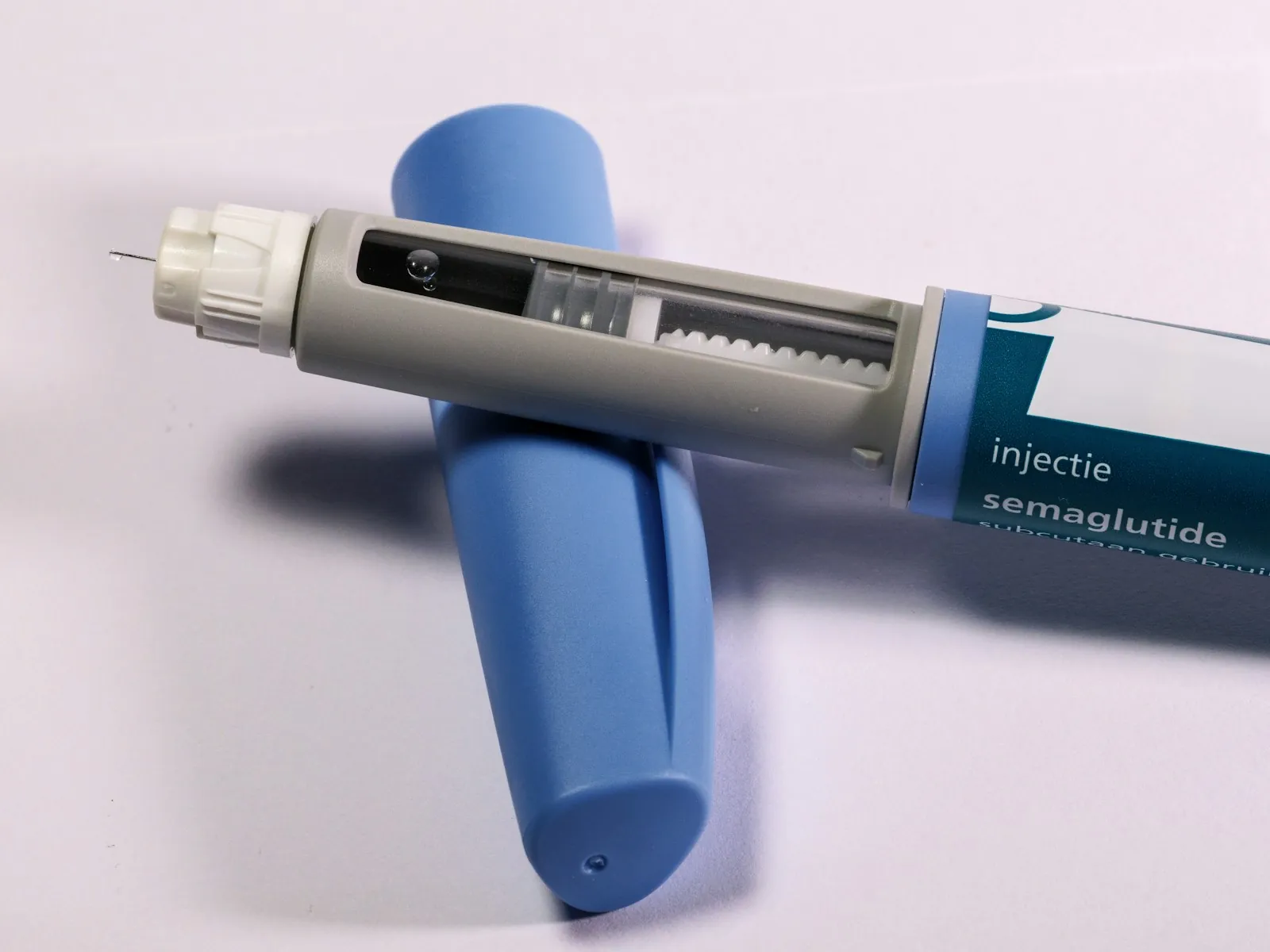
GLP-1 weight loss medications such as Wegovy and Zepbound work by copying hormones your gut releases after you eat. Those hormones tell your brain you have had enough and slow down how quickly food leaves your stomach. The result is that you feel full sooner, stay full longer and think about food less. They are prescription injections taken once a week, and they work alongside changes in eating and activity, not in place of them.
How do GLP-1 medications help you lose weight?
GLP-1 medications help you lose weight by lowering your appetite. GLP-1 is a hormone your intestines make after a meal. The National Institute of Diabetes and Digestive and Kidney Diseases (NIDDK) explains that semaglutide mimics GLP-1 and targets the areas of the brain that regulate appetite and food intake.
The medication also slows the emptying of your stomach, so a meal stays with you longer, and it helps your pancreas release insulin when your blood sugar is high. That last effect is why the same medications were first used for type 2 diabetes.
Many people describe the change as quieter hunger. Portions get smaller without as much effort, and the constant pull toward food eases.
What is the difference between Wegovy, Ozempic, Zepbound and Mounjaro?
Wegovy and Ozempic are both semaglutide, and Zepbound and Mounjaro are both tirzepatide. The brand names differ because each one is approved for a different use.
| Brand name | Medication | Approved for | Hormones it copies |
|---|---|---|---|
| Wegovy | Semaglutide | Weight management | GLP-1 |
| Ozempic | Semaglutide | Type 2 diabetes | GLP-1 |
| Zepbound | Tirzepatide | Weight management | GIP and GLP-1 |
| Mounjaro | Tirzepatide | Type 2 diabetes | GIP and GLP-1 |
Tirzepatide acts on two hormone receptors instead of one. When the FDA approved Zepbound, it explained that the drug activates receptors for both GLP-1 and GIP, a second gut hormone, to reduce appetite and food intake. You should not take two of these medications at the same time.
Who can be prescribed a GLP-1 medication for weight loss?
GLP-1 medications for weight management are approved for adults with obesity and for adults who are overweight and have a weight-related health problem. In practice that means a body mass index (BMI) of 30 or higher, or a BMI of 27 or higher along with a condition such as high blood pressure or type 2 diabetes.
Meeting those numbers is a starting point, not a guarantee the medication is right for you. A clinician will review your health history, your other medications and your lab work before deciding with you.
How do you take Wegovy or Zepbound?
Wegovy and Zepbound are injected under the skin once a week, on the same day each week. You give yourself the shot at home with a pen device, usually in the belly, thigh or upper arm.
Your prescriber starts you on a low dose and raises it in steps, no more often than every four weeks. The slow build gives your stomach time to adjust and keeps side effects down. Do not raise the dose faster than you are told to, and do not make up for a missed week by doubling up.
What are the side effects of GLP-1 medications?
The most common side effects of GLP-1 medications are in the stomach and gut. MedlinePlus lists nausea, vomiting, diarrhea, constipation, stomach pain, heartburn and burping for semaglutide, and a similar list for tirzepatide. They tend to show up when you start or when the dose goes up.
A few habits make them easier to live with:
- Eat smaller meals and stop when you feel full.
- Go easy on greasy, fried and very sweet foods.
- Drink water through the day, especially if you have diarrhea or vomiting.
- Eat enough protein, since a smaller appetite can mean you eat too little of it.
Less common problems are more serious. For Zepbound, the FDA lists warnings for inflammation of the pancreas, gallbladder problems, low blood sugar and kidney injury.
Call your clinician right away if you have severe stomach pain that does not go away, pain that spreads to your back, yellowing of your skin or eyes, vomiting you cannot stop, or a lump or swelling in your neck.
Who should not take a GLP-1 medication?
You should not take semaglutide or tirzepatide if you or a close family member has had medullary thyroid carcinoma, a rare type of thyroid cancer, or a condition called multiple endocrine neoplasia type 2 (MEN 2). Both medications carry a boxed warning, the FDA's strongest kind, because they caused thyroid C-cell tumors in rats. It is not known whether they do the same in people.
These medications are also not for pregnancy. NIDDK says never to take weight management medication while pregnant or planning a pregnancy. If you want to become pregnant, tell your prescriber ahead of time, because the medication needs to be stopped in advance. Tirzepatide can make birth control pills less effective for a few weeks after you start and after each dose increase, so ask about a backup method.
Tell your clinician if you have had pancreatitis, gallbladder disease, kidney problems or serious stomach or bowel conditions.
What happens when you stop taking a GLP-1 medication?
When you stop a GLP-1 medication, your appetite returns to where it was, and weight often comes back. NIDDK says plainly that you will probably regain some weight after stopping a weight management medication, and that healthy eating and regular activity can help you regain less.
That does not mean the medication failed. Like blood pressure medicine, it works while you take it. Many people stay on it long term, and that is something to talk through before you start. NIDDK also notes that these medications work best when combined with a lifestyle program. How much weight a person loses varies a lot, and no one can promise a number.
Haven is a primary care and addiction medicine clinic in Southwest Baltimore that offers medical weight loss with GLP-1 medications. To learn how we approach it, see medical weight loss at Haven.
Where this comes from