
Does Suboxone show up on a drug test?
Buprenorphine, the medication in Suboxone, is not picked up by a standard opiate screen. It shows up only on a test designed to look for it, and it does not look like heroin or morphine.
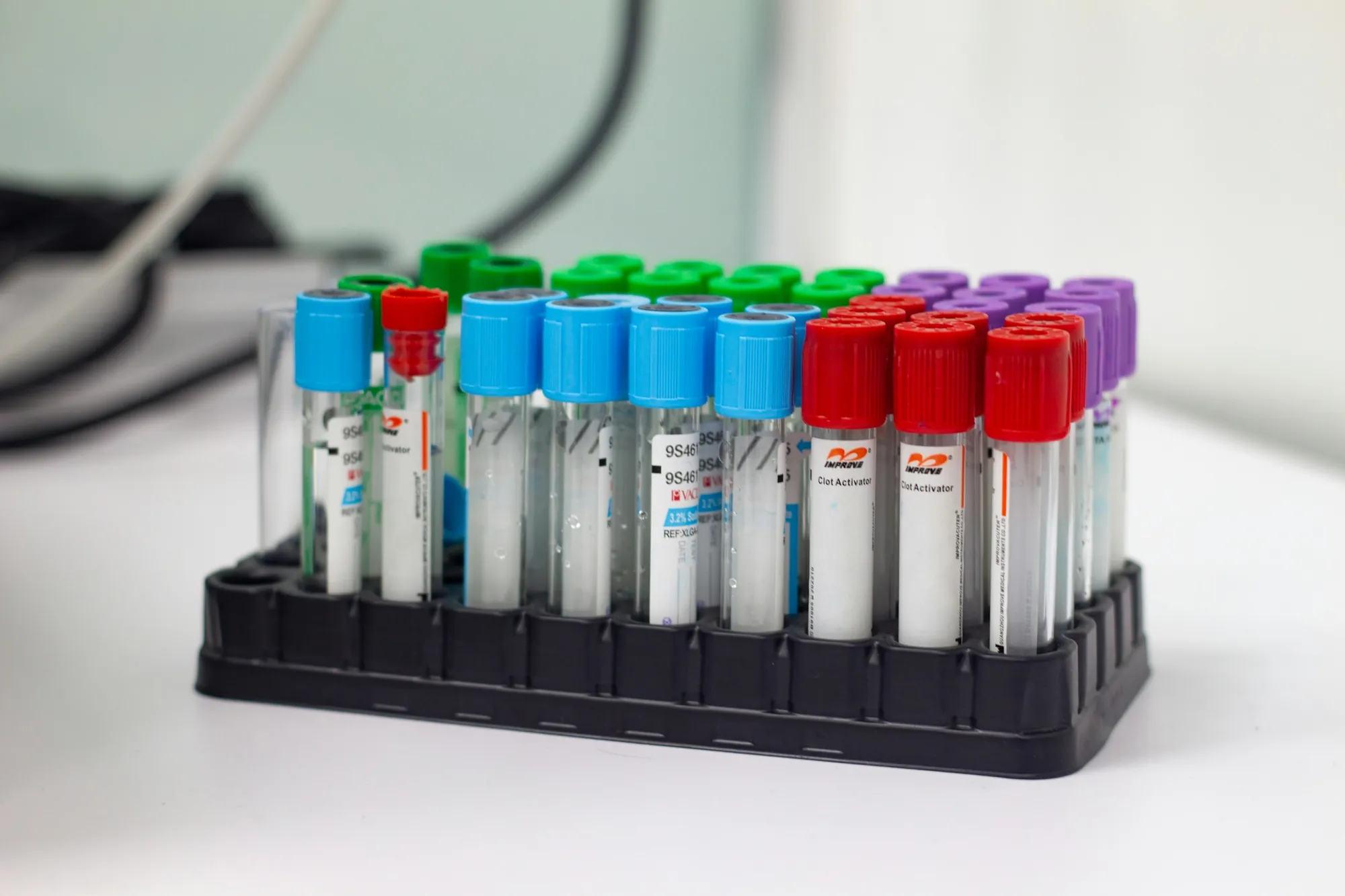
Suboxone does not show up as an opiate on a standard drug screen. The medication in it, buprenorphine, is found only when a test is set up to look for buprenorphine specifically. Some tests include it and many do not. Either way, taking Suboxone as prescribed is medical treatment, and a result that shows it means you are taking your medication.
Does Suboxone show up on a standard drug test?
Suboxone is not detected by the standard opiate part of a drug screen. Most first-step drug tests are immunoassays, which are quick tests that react to a certain family of chemicals. The opiate version reacts to morphine and codeine, and heroin shows up on it because the body turns heroin into morphine.
Buprenorphine has a different chemical shape. A guide to urine drug testing in Federal Practitioner states it plainly: buprenorphine is not detected on an opiate screen. The same is true of fentanyl and methadone, which each need their own test.
Will Suboxone make me test positive for heroin or other opiates?
No. Suboxone does not make a drug test positive for heroin, morphine or codeine. Your body does not turn buprenorphine into any of them, and the opiate screen does not react to it.
If an opiate screen comes back positive while you are taking Suboxone, the Suboxone is not the reason. Screening tests can react to other things. MedlinePlus notes that poppy seeds can show up as opioids and that a confirmation test can be done when a screening result is in question.
Which drug tests can detect buprenorphine?
Buprenorphine is detected by tests that are built to look for it. That includes a buprenorphine-specific screen, which may be one strip on a larger test cup, and laboratory confirmation testing. Whether your test includes it depends on which panel was ordered.
| Type of test | What it looks for | Does buprenorphine show up? |
|---|---|---|
| Standard opiate screen | Morphine and codeine, including morphine from heroin | No |
| Buprenorphine screen | Buprenorphine and what the body breaks it down into | Yes |
| Laboratory confirmation test | Specific drugs, identified one by one | Yes, if the lab is asked to look for it |
The naloxone in Suboxone is not something a routine drug screen looks for. Sublocade, the monthly injection, is also buprenorphine, so it shows up the same way Suboxone does.
Why does my treatment clinic test for buprenorphine?
Your treatment clinic tests for buprenorphine because seeing it in your sample is expected. It shows the medication is being taken and helps your clinician judge whether the dose is working. The American Society of Addiction Medicine recommends drug testing during treatment, including testing for buprenorphine and its metabolites.
The test also shows what else is in your system, which matters now that fentanyl and other drugs turn up where people do not expect them. In a treatment setting, a drug test is information for you and your clinician to use together. It is not a pass or fail exam. Haven collects lab specimens on site, so testing can happen during a regular visit.
What should I do before a drug test for work or court?
Tell the person or lab running the test about every prescription you take, including Suboxone, before or at the time of the test. MedlinePlus gives the same advice for any drug test: tell the testing professional about prescription drugs, because they can affect results.
A few practical steps help:
- Keep your medication in its pharmacy packaging, with the label that shows your name and prescriber.
- Know the name of your prescriber and pharmacy so a prescription can be confirmed.
- If a doctor called a medical review officer contacts you about a result, call back and tell them about your prescription. Reviewing results against legitimate prescriptions is that doctor's job.
- Ask what the test covers if you are unsure. Panels differ.
We can't give legal or employment advice, and rules differ between employers, courts and programs. If you have questions about your own situation, ask the program that ordered the test, or a lawyer. For how your treatment records are protected, see is addiction treatment confidential?
Can a drug test get it wrong?
Yes. A screening test can be wrong in both directions, which is why unexpected results should be confirmed. Screens react to families of chemicals, so other medicines and some foods can set them off. The Federal Practitioner guide notes that false positives on screening tests are common and that a laboratory method such as gas chromatography with mass spectrometry is the standard for confirming a result.
If a result does not match what you took, say so and ask for a confirmation test. That second test identifies the exact substance.
Should I stop taking Suboxone before a drug test?
No. Do not skip or stop Suboxone because a test is coming. Stopping suddenly can bring on withdrawal and cravings, and returning to opioid use after a break carries a real risk of overdose. According to the National Institute on Drug Abuse, people with opioid use disorder who are treated with buprenorphine or methadone are less likely to overdose or die than people who are not treated.
If an upcoming test worries you, talk with your prescriber first. A prescribed medication taken as directed is treatment, the same as medication for blood pressure or diabetes. We explain that further in is Suboxone trading one drug for another?
Haven is a primary care and addiction medicine clinic in Southwest Baltimore that prescribes buprenorphine (Suboxone and Sublocade) and naltrexone (Vivitrol). If you want to talk about starting or continuing treatment, see addiction treatment at Haven.
Where this comes from
- Federal Practitioner, A Practical Guide to Urine Drug Monitoring
- MedlinePlus, Opioid Testing
- MedlinePlus, Drug Testing
- American Society of Addiction Medicine, Executive Summary of the Focused Update of the ASAM National Practice Guideline for the Treatment of Opioid Use Disorder
- National Institute on Drug Abuse, Medications for Opioid Use Disorder